
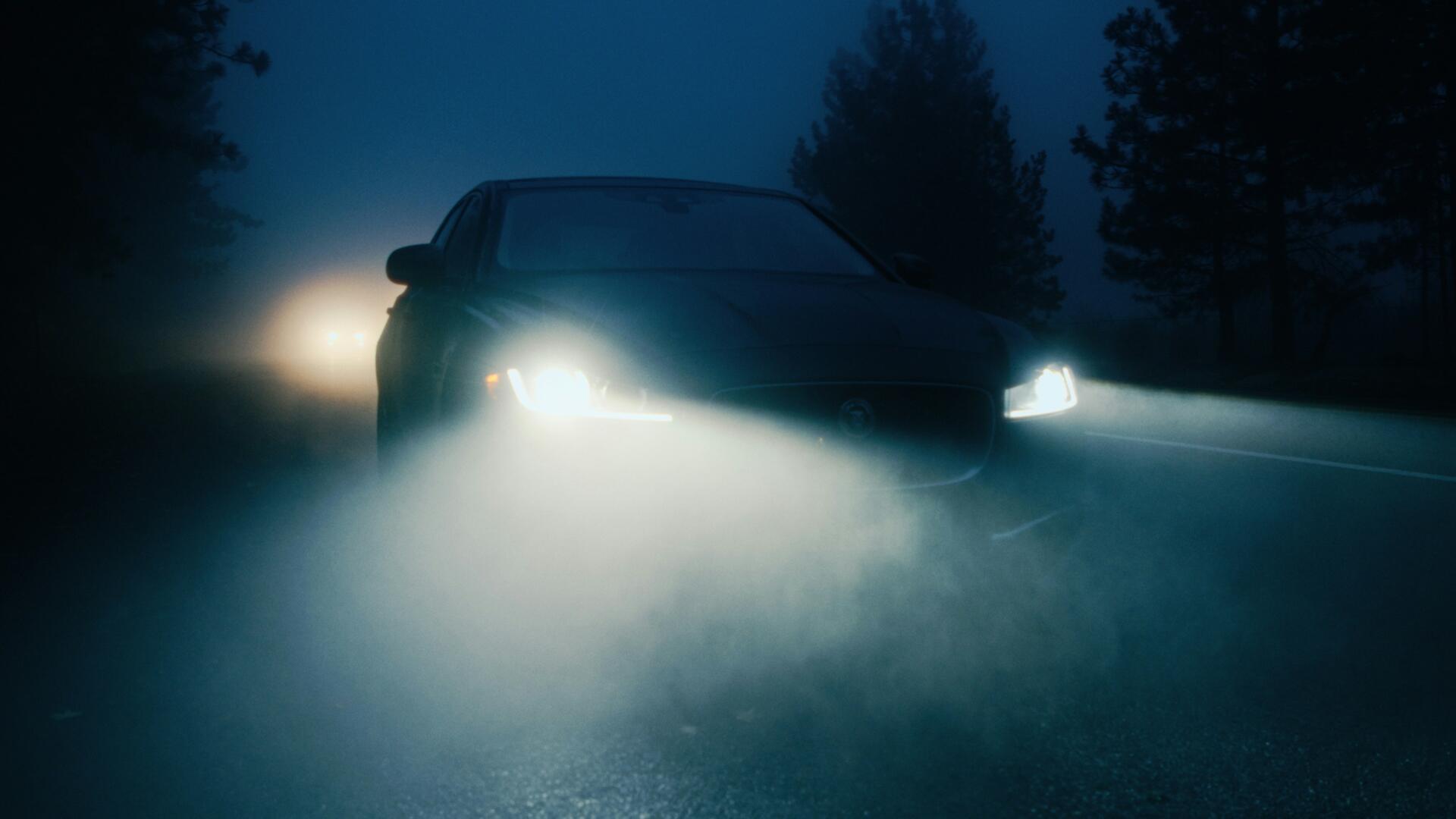
UK drivers know that poor visibility is part of everyday driving. Rain, fog, night driving, and glare from headlights all make it harder to capture clear, usable footage. Choosing the right features can make a real difference when it matters most.
Sensor Size Matters More Than Megapixels
Many cameras advertise high resolution, but sensor size is often more important for real-world driving conditions. A larger sensor captures more light, which helps reduce grain and improve clarity in low-light situations such as night driving or heavy rain.
For drivers, this means clearer:
- Number plates
- Road markings
- Vehicle movements at junctions and roundabouts
Lens Quality and Glare Control
A good camera uses a high-quality glass lens, allowing more light to reach the sensor with less distortion. Some models also support polarising filters, which help reduce glare from wet roads and windscreens during daylight driving.
While glare filters are useful in bright conditions, they’re best removed at night, as they slightly reduce overall light intake.
Frame Rate: Capturing Details in Motion
In bad weather, water spray and fast-moving vehicles can blur important details. Cameras that record at higher frame rates (such as 60fps) are better at capturing sharp images of moving objects, including number plates.
For drivers involved in incidents, this can be crucial for identifying other vehicles clearly.
Night Mode and HDR/WDR Explained
Driving at night presents a major challenge: very dark surroundings mixed with intense headlight glare. This is where HDR (High Dynamic Range) and WDR (Wide Dynamic Range) come in.
- HDR combines multiple exposures to balance bright and dark areas
- WDR uses software processing to improve contrast in a single image
Both help ensure footage remains clear and usable when driving in poorly lit conditions.
Stable Power and Reliable Storage
Even the best camera won’t help if footage is corrupted or dropped. Drivers should:
- Use a reliable, dash-cam-rated SD card
- Consider hard-wiring the camera to the vehicle for consistent power
Stable power prevents missed frames and ensures the camera records continuously, even on longer journeys or overnight parking modes.
