
Most gardens have a spot that ends up being ignored. It might sit behind the shed, run along the side of a fence, or fill that awkward gap between two structures where nothing quite seems to fit. Over time, it becomes a storage zone for spare pots, forgotten tools, and the odd bag of compost.
Because these corners feel difficult to use, they rarely receive much attention. Flower beds go elsewhere, and vegetables are planted where the light is strongest. That small patch quietly fades into the background.
Yet these spaces often hold more potential than they appear to. A sheltered corner can provide protection from wind, hold warmth longer than open beds, and offer a practical place to grow plants that benefit from a little extra care.
With a bit of planning, even a narrow or shaded area can become a useful part of the garden. The ideas below explore how to assess the space, choose the right approach, and turn an overlooked corner into somewhere productive and enjoyable.
Why That Awkward Garden Corner Deserves Attention
At first glance, a tucked-away garden corner might seem like wasted space. In reality, these areas can work surprisingly well for growing once they are used with intention.
Corners often benefit from natural shelter. Fences, walls, and sheds help block wind, which means plants are less exposed to sudden changes in weather. Because of this protection, conditions in these areas can feel slightly warmer and calmer than in the middle of the garden.
That small difference can make gardening easier. Seedlings can settle more comfortably, delicate plants gain protection, and the growing season can stretch a little longer.
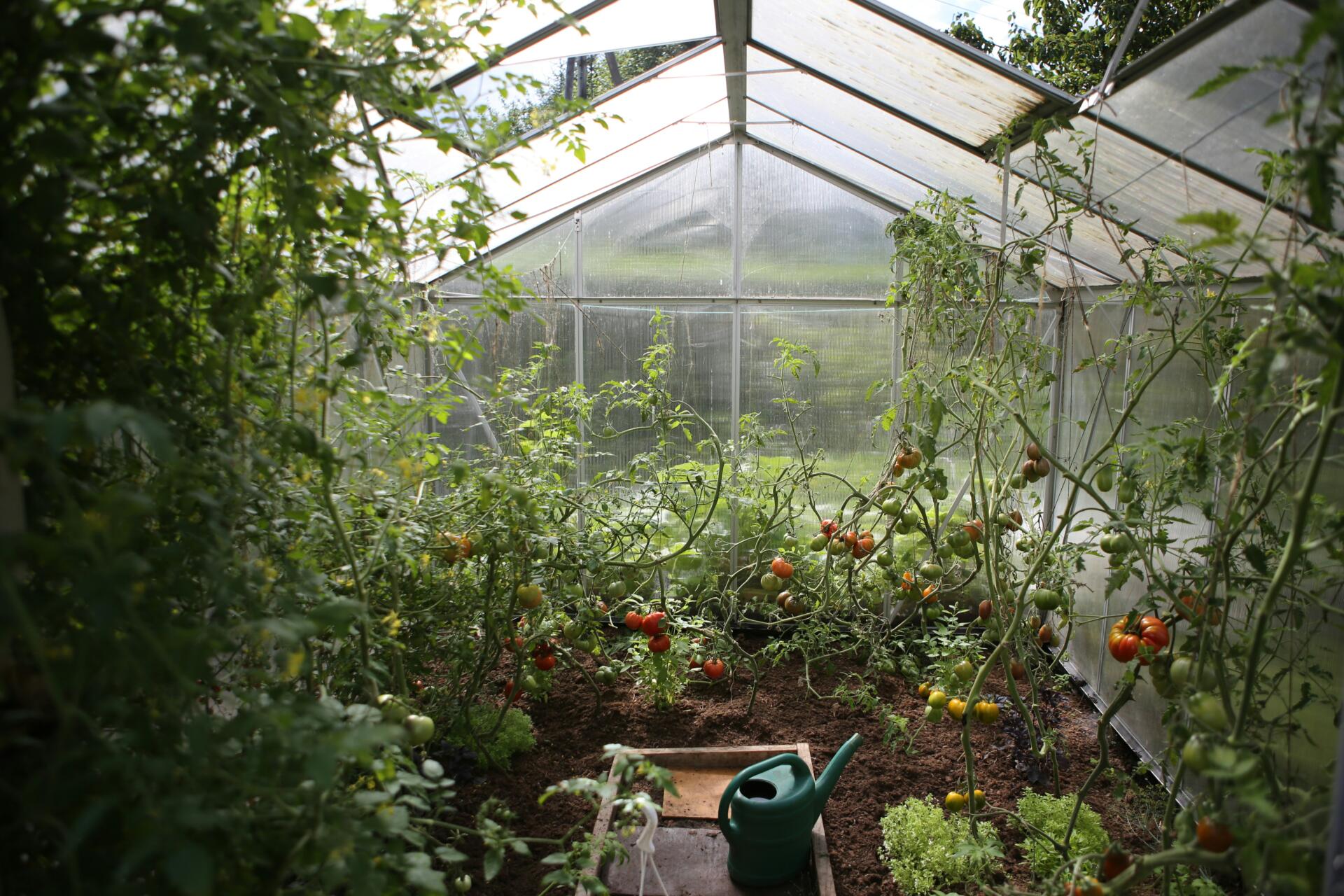
Adding a simple structure can improve the space even further. Many gardeners who begin researching greenhouses for sale discover compact designs created specifically for smaller gardens. These options allow plants to grow earlier in spring and stay protected when temperatures dip.
Once a corner is given a clear purpose, it often becomes one of the most rewarding areas to work with.
Common Reasons These Spaces Go Unused
Despite their potential, many garden corners remain untouched for years. One reason is access. When the space sits behind a shed or along a narrow fence line, it can feel inconvenient to reach.
Light levels also lead to hesitation. A corner that does not receive full sun can appear unsuitable for growing. However, many plants manage perfectly well with partial light, especially leafy vegetables, herbs, and young seedlings.
Another concern relates to structures. Some gardeners assume that installing something permanent will involve complicated permissions or major work. In reality, many small garden structures are designed to fit within normal domestic guidelines.
As people become more aware of the possibilities, interest in compact greenhouses for sale has grown. These smaller options are often designed with limited garden space in mind.
Assessing What Your Corner Space Can Actually Support
Before making any changes, it helps to spend a little time observing the space. Looking at how sunlight moves across the garden during the day gives a clearer idea of what will grow well there.
South facing corners tend to receive the most consistent light. East facing areas catch the softer morning sun, while west facing spaces warm up later in the day. Even areas that remain partly shaded can support many useful plants.
Soil condition is another factor worth checking. A quick drainage test can reveal whether water moves through the ground easily. If water drains away within a day, most plants will cope well.
Practical considerations also matter. Easy access to water makes regular care simpler, and clear paths ensure the space remains convenient to use.
Once these details are understood, it becomes easier to decide whether raised beds, containers, or one of the many greenhouses for sale would work best for the area.
Planning Permission Basics for Garden Structures
Many people feel uncertain about adding structures to their garden. In practice, smaller installations are often straightforward.
Garden buildings that sit close to a boundary usually need to remain below a certain height to fall within permitted development rules. Structures positioned further away from fences or walls can sometimes be slightly taller.
Properties in conservation areas or near listed buildings may have additional requirements. Checking with the local authority can provide reassurance before starting any project.
Practical Options for Year-Round Growing in Small Spaces
Several simple approaches can help bring a forgotten corner back into use.
Cold frames offer an easy starting point. They protect young plants from frost and allow seeds to be started earlier in the season. Because they sit low to the ground, they also work well in tight spaces.
Raised beds provide another flexible option. They can be shaped to suit unusual areas and make it easier to control soil quality.
Vertical planting can also increase what the space can support. Wall planters, stacked containers, and climbing plants allow gardeners to grow upwards rather than outwards.
For those who want a more structured setup, browsing greenhouses for sale can reveal compact designs built specifically for smaller gardens. These structures help regulate temperature and protect plants through cooler months.
Matching Structures to Microclimate Conditions
Every part of the garden behaves a little differently, so choosing the right approach depends on the conditions in that specific corner.
Shaded areas often remain cooler and hold moisture longer. Leafy crops and herbs tend to thrive in these environments.
More exposed spots benefit from sturdy structures that can withstand wind. Proper anchoring helps keep everything stable during rough weather.
If the ground stays damp, improving drainage becomes important. Raised bases and good airflow can help prevent issues with plant health over time.
Bring That Overlooked Garden Space Back to Life
Many gardens contain small areas that are easy to ignore. With a bit of attention, these forgotten corners can become useful and enjoyable spaces.
Clearing the ground, improving access, and introducing a suitable structure can completely change how the area works. Plants gain protection, growing conditions improve, and the garden begins to feel more complete.
Take another look at that overlooked patch. With a little care and planning, it could soon become one of the most satisfying parts of the entire garden.

Suspect your partner is hiding something? Spyloop helps you uncover the truth through secure digital awareness and relationship clarity to help you uncover the truth without them knowing. You can reach out to him by email at HACKSECRETE@ GMAIL COM. or call/text on +1 (774) 202- 9445 You can also reach out to him to help you retrieve your investment from any trading platform..