
Preparing for a new baby often changes how you see your home. Spaces that once worked perfectly well can suddenly feel short on space. While it can be tempting to focus solely on decorating a nursery, the months before your baby arrives provide a valuable opportunity to make practical improvements.
Create a Safe and Functional Nursery
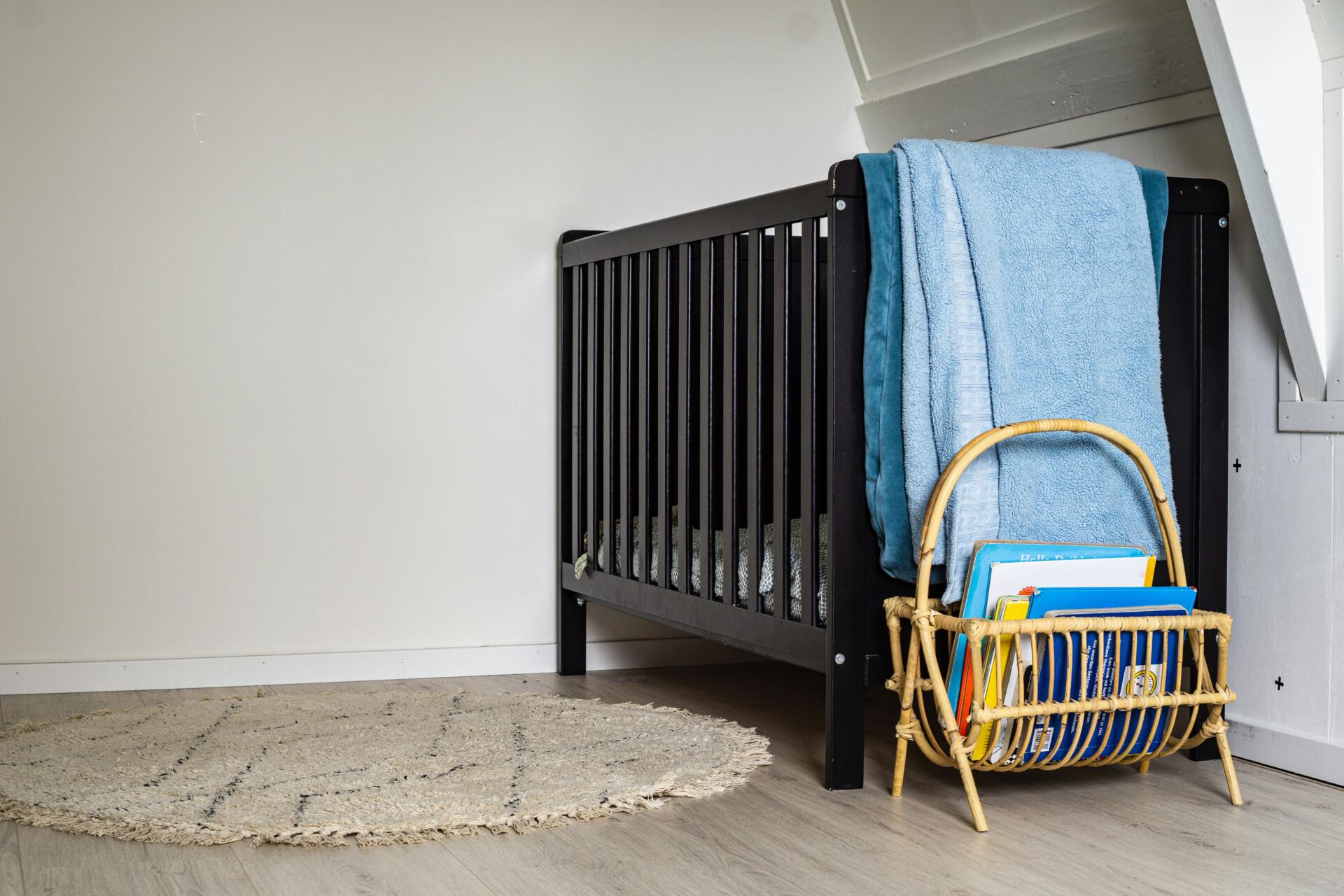
A nursery should feel calm and easy to use. Position the cot away from radiators, windows and blind cords, while keeping essential items within easy reach of where you will spend most of your time.
Think carefully about the layout. Placing a changing unit close to a wardrobe or chest of drawers means you can quickly grab spare clothes during an unexpected nappy change. Soft lighting such as a dimmable lamp or low-level nightlight allows you to check on your baby without flooding the room with bright light during night-time feeds.
Choose products that can adapt as your child grows. A dresser that later works in a bedroom or playroom may offer better long-term value than furniture designed for only one purpose. If you plan to make larger home improvements before your baby arrives, some families consider financing options such as applying for secured loans to spread the cost of bigger projects over time.
Improve Storage and Organisation
Babies may be small, but they come with an impressive amount of equipment. Clothes, blankets, nappies, wipes, bottles and toys can quickly fill cupboards and worktops if you do not have a system in place.
Look at the storage first. Clear storage boxes can help you separate newborn clothing from larger sizes. A well-labelled drawer system means both parents can quickly locate muslin cloths or sleepwear without searching through multiple rooms.
Focus on Home Safety Improvements
Making your home safe for a baby is a crucial step you shouldn’t skip. Check smoke alarms and carbon monoxide detectors to ensure they work properly and install additional units if necessary. Secure heavy furniture, such as bookcases and wardrobes, to the wall where appropriate. Loose rugs can create trip hazards when carrying a baby, particularly during night-time feeds, so consider adding non-slip backing or removing them altogether.
Tidying exposed cables reduces the risk of accidents and creates a cleaner, more organised appearance. If your stairs lack a sturdy handrail, improving this feature can make carrying a baby up and down much more comfortable and secure.
Create Convenient Feeding and Changing Spaces
You do not need a fully equipped nursery on every floor. Instead, think about where you naturally spend your time. A comfortable chair in the living room, paired with a side table for water, snacks and feeding supplies, can provide a practical daytime feeding area. Having these essentials nearby reduces the number of trips you need to make when your hands are full.
The same principle applies to changing facilities. A changing mat stored in a basket alongside nappies, wipes and spare clothing allows you to respond quickly without always returning to the nursery. Parents with two-storey homes often find that keeping a small changing station downstairs makes the day run far more smoothly.
